
Known as the “Fiore di Levante” by the Venetians, Zakynthos is an island with a rich history and vibrant culture that continues to enchant visitors today. While in recent decades it has become one of the top tourist destinations in Greece, attracting travelers from all over the world during the summer months, Zakynthos has always been a place of cultural diversity and heritage.
Mythology and Ancient Roots
According to Greek mythology, the goddess Artemis once roamed the island, while Apollo played his lyre here. Homer mentions Zakynthos, son of Dardanus, as the island’s first settler. From antiquity to modern times, the island has been a true crossroads of civilizations—Macedonians, Romans, Byzantines, Venetians, French, and English all left behind their legacy.
The Venetian Influence
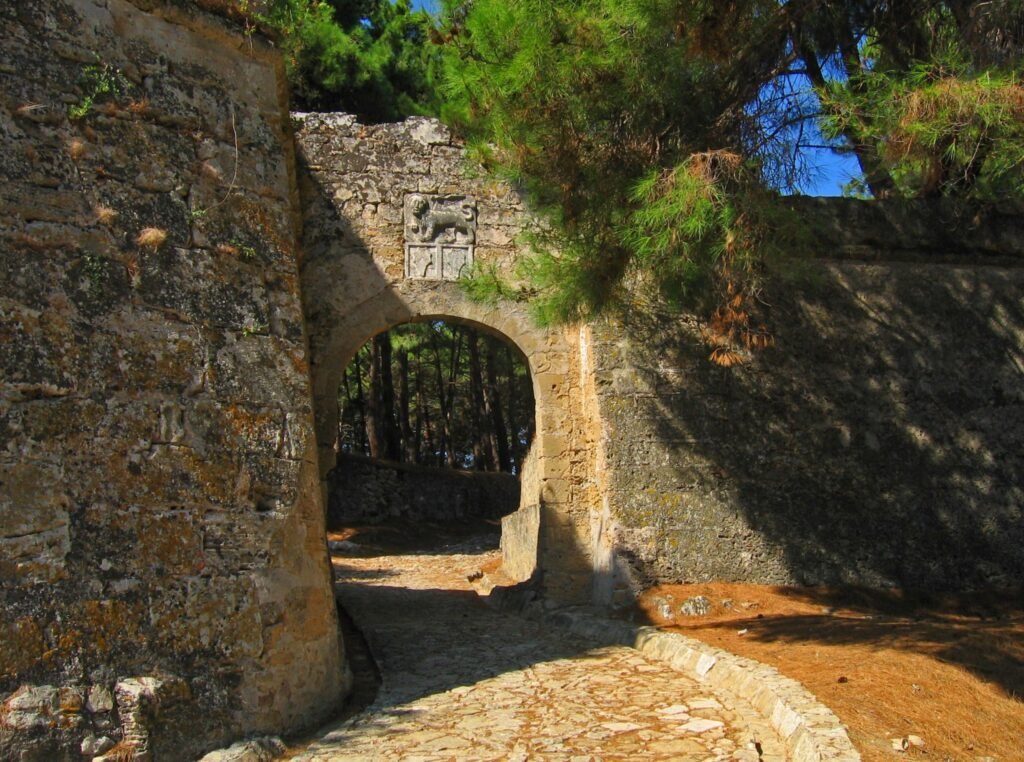
The Venetian period (1485–1797) marked one of the island’s golden eras. During this time, Zakynthos flourished economically and culturally, earning the title “The Florence of Greece.” Traditions in music, painting, and theater were established, including the famous “Omilies”, a unique form of local folk theater still admired today. A Venetian Castle still stands in a hill on top of Zakynthos town as a memento of that era.
Literature and the Arts
Zakynthos has been home to some of Greece’s greatest literary figures. The island gave birth to Andreas Kalvos and Dionysios Solomos, Greece’s national poet and author of the “Hymn to Liberty.” Their legacy continues to inspire, while the island’s tradition in language, poetry, and music remains strong. If you are staying in Zakynthos Town, don’t miss a visit to the Museum of Solomos & Eminent Zakynthians in St. Mark’s Square.
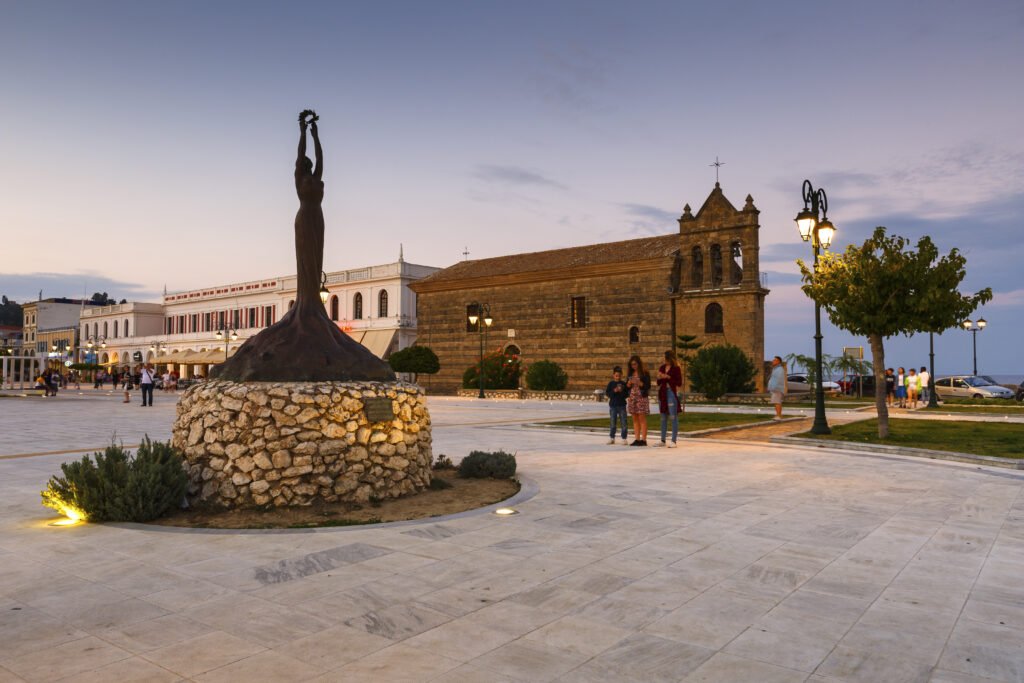
Visual arts also thrived on the island. Byzantine influences merged with Italian styles to shape the island’s painting and sculpture, particularly in icons, portraits, and intricately carved wooden church screens. Although much of the Venetian and neoclassical architecture was lost during the devastating 1953 earthquake, the Zakynthian spirit remains alive in its traditions and way of life. Surviving landmarks include the Church of Panagia Faneromeni, St. Nicholas of the Quay, and Our Lady of the Angels.
Traditions and Festivals
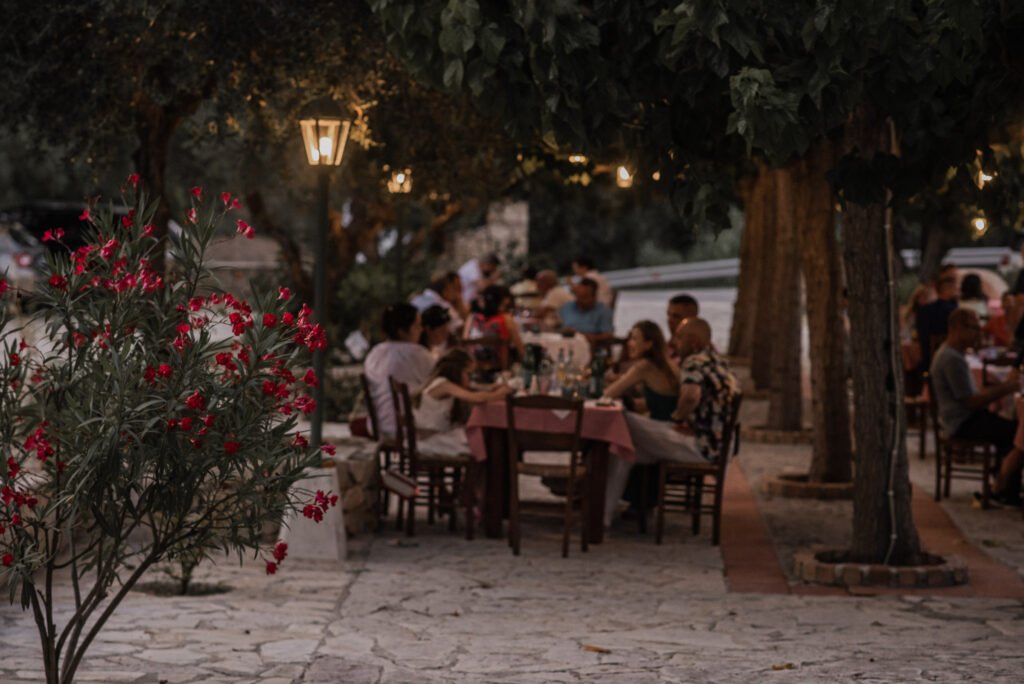
Zakynthos is also known for its vibrant festivals and religious celebrations. From the feast of St. Dionysios, the island’s patron saint, to lively Carnival traditions dating back to Venetian times, and the deeply spiritual Easter celebrations, local events keep the bond with the past alive. In villages across the island, traditional feasts fill the air with music, dancing, and authentic Zakynthian flavors—an unforgettable experience for visitors.
More Than Just Natural Beauty
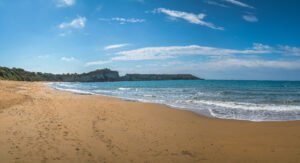
Zakynthos is not only famous for its stunning beaches, turquoise waters, and lush landscapes—it is also a cultural gem where history, art, and traditions blend seamlessly. For travelers seeking a deeper connection with the island, staying in a Zakynthos villa or a traditional farmhouse rental offers the perfect way to experience local life in comfort and style.
Whether you are exploring the island’s cultural landmarks, enjoying village festivals, or simply relaxing in your private holiday home, Zakynthos offers an authentic Greek island experience that combines natural beauty with rich tradition.